What Is Fixed Carbon in Charcoal Briquettes and Why It Matters
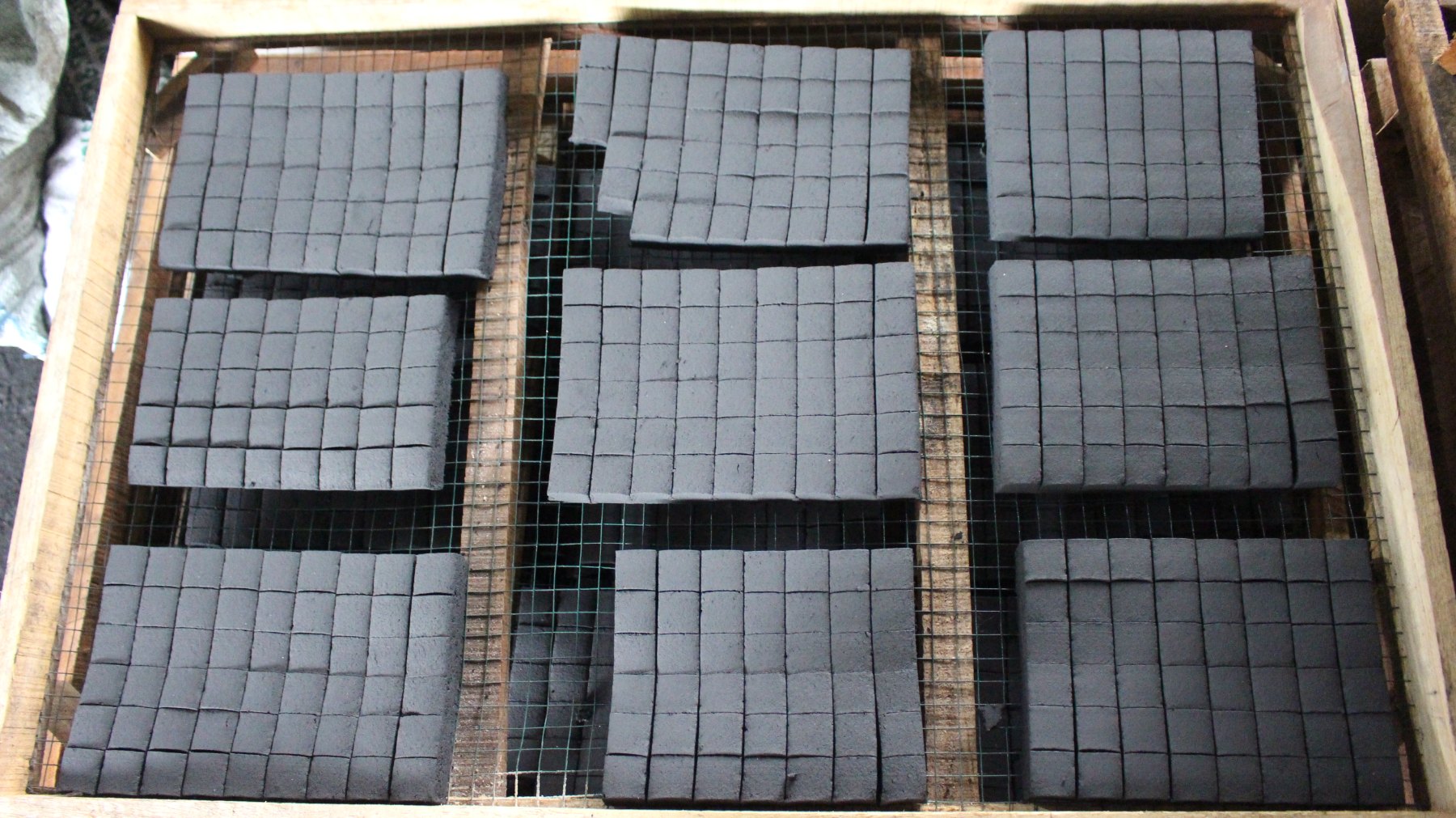
Fixed carbon is the part of a charcoal briquette that actually burns as solid fuel, and it is one of the most important numbers on any quality specification. For importers, distributors, and shisha or BBQ businesses, understanding fixed carbon helps you compare suppliers fairly and choose briquettes that deliver consistent heat, long burn time, and low ash.
What Is Fixed Carbon in Charcoal Briquettes?
Fixed carbon is the percentage of carbon left in charcoal after moisture, volatile matter, and ash are accounted for. In simple terms, it is the solid, stable carbon that produces steady heat when the briquette burns.
A laboratory finds it through proximate analysis, using this formula:
Fixed Carbon (%) = 100 − (Moisture + Volatile Matter + Ash)
So fixed carbon is not measured directly. It is calculated from the other three components, which is why accurate lab testing of each one matters.
The Four Components of a Briquette
- Moisture: water trapped in the briquette. High moisture makes lighting slower and lowers heat output.
- Volatile matter: gases and compounds released when heated. Too much can cause smoke, odor, and an unstable burn.
- Ash: the mineral residue left after burning. High ash means more cleanup and weaker heat.
- Fixed carbon: the stable carbon that gives long, consistent burning.
When moisture, volatile matter, and ash are low, fixed carbon is high.
Why Fixed Carbon Matters
1. Longer burn time. More fixed carbon means more fuel per briquette, so it burns longer. This matters for shisha sessions and restaurant grills, where constant refilling costs time and money.
2. Stronger, steadier heat. Briquettes with high fixed carbon usually reach a stable temperature and hold it, instead of spiking and fading.
3. Lower ash and cleaner use. Fixed carbon and ash move in opposite directions. Higher fixed carbon generally goes with lower ash, which means a cleaner burn and less residue.
4. Better taste and smell. For hookah and food grilling, low volatile matter helps avoid unwanted smoke and odor that can affect the experience.
5. Fewer complaints and returns. For importers, consistent fixed carbon from batch to batch means predictable performance for end customers.
Why Coconut Shell Charcoal Performs Well
Coconut shell is a dense, hard material, and that naturally supports high-quality charcoal. When the shells are carbonized under controlled, low-oxygen conditions and pressed into uniform briquettes, the result is typically a dense product with low ash and long burning performance. This is why coconut charcoal briquettes are popular for shisha, hookah, and premium BBQ worldwide.
Raw material alone is not enough, though. Carbonization temperature, drying, binder quality, and quality control all influence the final fixed carbon level.
How Buyers Can Check Fixed Carbon
Before placing a bulk order, we recommend that buyers:
- Ask for a lab test report covering moisture, ash, volatile matter, fixed carbon, and calorific value.
- Confirm the test method. Methods such as ASTM D1762 for charcoal are commonly referenced, and the supplier should state which one was used.
- Compare the full picture, not fixed carbon alone. A good briquette also has low ash, low moisture, and strong physical durability.
- Request a sample and test burn time and ash yourself, since real-world performance is what your customers will experience.
- Check consistency by asking whether results are the same across different production batches.
Specifications vary by product type and market, so always confirm exact figures for your target product with the supplier.
Frequently Asked Questions
What is a good fixed carbon level for charcoal briquettes?
Higher is generally better, and many premium coconut charcoal briquettes target a high fixed carbon percentage together with low ash. The right specification depends on your market and intended use, so request a lab report to compare.
Is fixed carbon the same as carbon content?
Not exactly. Fixed carbon is the solid carbon remaining after moisture, volatile matter, and ash are excluded. Total carbon can include carbon bound in volatile compounds.
Does higher fixed carbon always mean better charcoal?
Usually it indicates a more efficient fuel, but it should be read with ash, moisture, and durability results for a complete picture.
Choose Briquettes You Can Verify
At Graha Mitra Lestarindo (GML), we supply premium coconut charcoal briquettes from Indonesia for wholesale, export, and private-label markets. Our range includes the Cube Series (C25, C26, C27), Hexagonal, Round, Fingerstick, and BBQ Cylinder briquettes, made for low ash, strong heat, and long-lasting burn.
If you need specifications, samples, or a quotation, contact our team at sales@gml-indonesia.co.id or WhatsApp 0812-9240-9131. You can also read our guide on BBQ Briquettes vs Lump Charcoal for Restaurants and Retail or plan your orders with our Q4 Charcoal Buying Guide.