Charcoal Briquette Market Outlook 2027: Trends Importers Should Watch
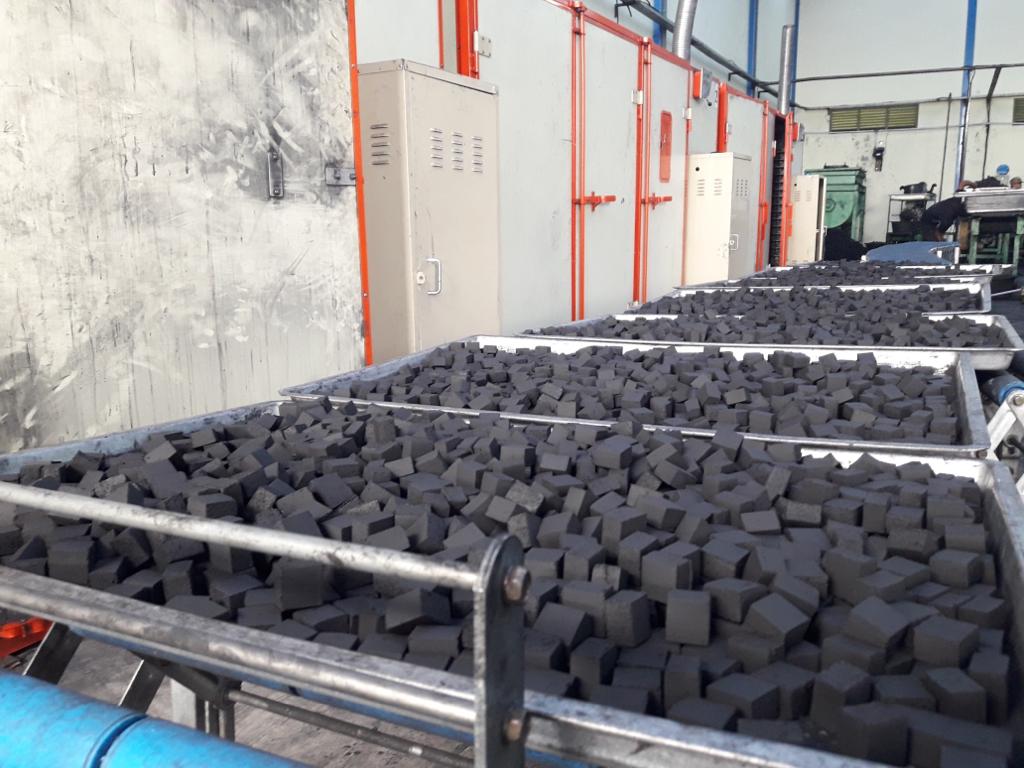
As 2026 draws to a close, importers and distributors are already planning their purchasing strategies for the year ahead. The global charcoal briquette market continues to evolve, shaped by consumer preferences, sustainability expectations, and supply chain realities. Here are the key trends that buyers should watch in 2027.
1. Steady Demand from Shisha and Barbecue Segments
Two segments remain the main drivers of charcoal briquette demand: shisha (hookah) and premium barbecue. Consumers in both segments increasingly prefer products that burn cleanly, produce minimal smoke, and deliver consistent heat. Coconut shell charcoal briquettes fit this profile well, which is why they continue to be a preferred choice among serious buyers in the Middle East, Europe, and other import markets.
2. Sustainability Is Becoming a Buying Requirement
Environmental awareness is no longer a "nice to have." Many importers now ask suppliers where the raw material comes from and how it is processed. Coconut shell is an agricultural by-product, so turning it into charcoal makes use of material that would otherwise go to waste, without relying on cutting down trees. Importers who can show a credible, traceable and responsible sourcing story will be better positioned with retailers and end consumers in 2027.
3. Quality Specifications Will Be Scrutinized More Closely
Buyers are becoming more technical when comparing suppliers. Key parameters that importers should always request and verify include:
- Ash content: lower ash generally means cleaner burning and a better user experience.
- Fixed carbon: a higher value usually indicates better combustion quality.
- Moisture content: affects ignition, burn time and storage stability.
- Calorific value: shows how much heat the briquette can deliver.
- Burning time and consistency: essential for repeat customers and brand reputation.
- Shape and size uniformity: important for packaging, performance and presentation.
Ask for lab test results and production samples before placing large orders, and make sure the specifications are written into your purchase contract.
4. Logistics and Pricing Will Remain Dynamic
Freight rates, container availability and raw material costs can shift quickly. For 2027, importers should consider planning orders earlier, agreeing on clear Incoterms, and discussing flexible shipment schedules with suppliers. Working with an exporter that communicates openly about lead times and production capacity helps reduce the risk of surprises.
5. Documentation and Compliance Matter More Than Ever
Charcoal products can be subject to specific handling and shipping requirements, and import regulations differ from country to country. Importers should confirm the required documents in advance, such as certificate of origin, packing list, commercial invoice and any product safety or classification documents required by their destination market. Always check current regulations with your freight forwarder and local customs authority.
6. Private Label and Custom Packaging Are Gaining Ground
More importers want to build their own brands instead of selling generic products. This increases demand for private label production, custom carton designs, and flexible packaging sizes. Suppliers that can support custom branding, while keeping quality consistent from batch to batch, offer a real advantage.
7. Supplier Diversification and Long-Term Partnerships
Relying on a single source can be risky. At the same time, constantly switching suppliers can hurt quality consistency. A balanced approach for 2027 is to build long-term partnerships with a small number of reliable exporters, while keeping a backup option in case of disruption.
Quick Checklist for Importers Planning 2027
- Define your target segment (shisha, barbecue, or both) and required specifications.
- Request samples and independent test results.
- Confirm production capacity, lead time and minimum order quantity.
- Clarify packaging, labeling and private label options.
- Prepare shipping documents and compliance requirements early.
- Plan order volumes and shipment schedules ahead of peak demand periods.
Final Thoughts
The charcoal briquette market in 2027 will reward importers who focus on quality, transparency and reliable supply. By paying close attention to specifications, sustainability and logistics, buyers can reduce risk and build stronger products for their customers.
At Graha Mitra Lestarindo, we supply coconut charcoal for export markets and work closely with international buyers to meet their quality and packaging needs. If you are planning your 2027 sourcing, contact our team to discuss specifications, samples and shipment options.