What Is Ash Content in Charcoal Briquettes and Why It Matters
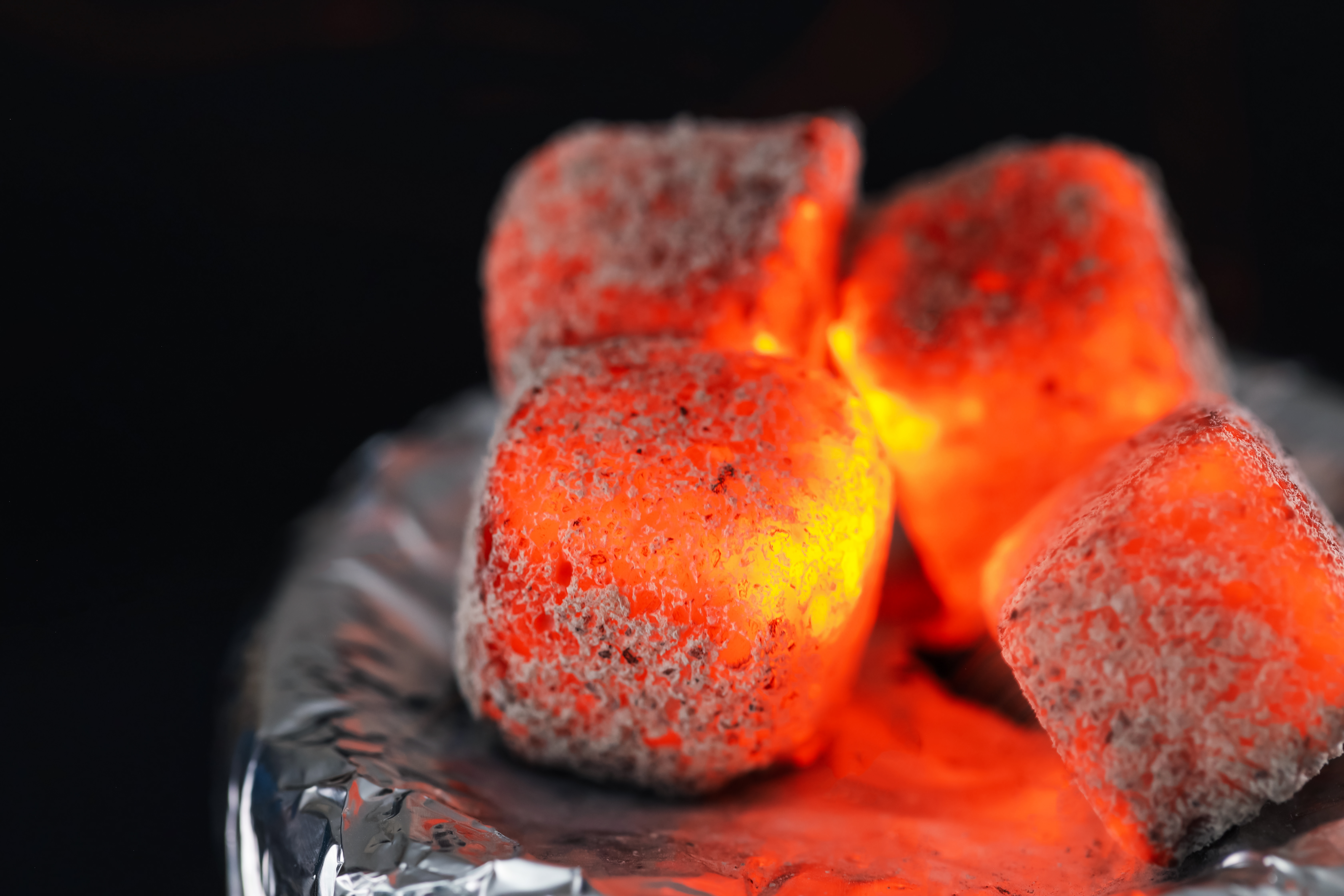
The global demand for high-quality charcoal briquettes continues to grow, especially in the shisha and barbecue industries across the Middle East, Europe, the Americas, and Latin America. One of the most important quality indicators that buyers and distributors evaluate is ash content. In simple terms, ash content refers to the amount of non-combustible residue left behind after charcoal briquettes are burned. Although it may seem like a minor specification, ash content significantly influences product performance, user experience, and overall customer satisfaction.
Ash content is typically expressed as a percentage of the total weight of the briquette. For example, a charcoal briquette with 2% ash content means that only two percent of the original material remains as ash after complete combustion. Premium coconut shell charcoal briquettes usually have lower ash content than many conventional wood-based alternatives, making them highly desirable in international markets.
Low ash content is generally associated with premium charcoal briquettes because it indicates a cleaner and more efficient burning process. When charcoal produces excessive ash, it can reduce heat efficiency, create more cleaning requirements, and negatively impact the smoking or cooking experience. For importers and wholesalers, understanding ash content is essential for selecting products that meet international quality standards and customer expectations.
As competition in the charcoal industry becomes increasingly intense, manufacturers that consistently produce low-ash charcoal briquettes gain a significant advantage. Buyers are no longer focused solely on price; they also prioritize performance, reliability, and long-term value. This is why ash content has become a critical parameter in the global charcoal trade.